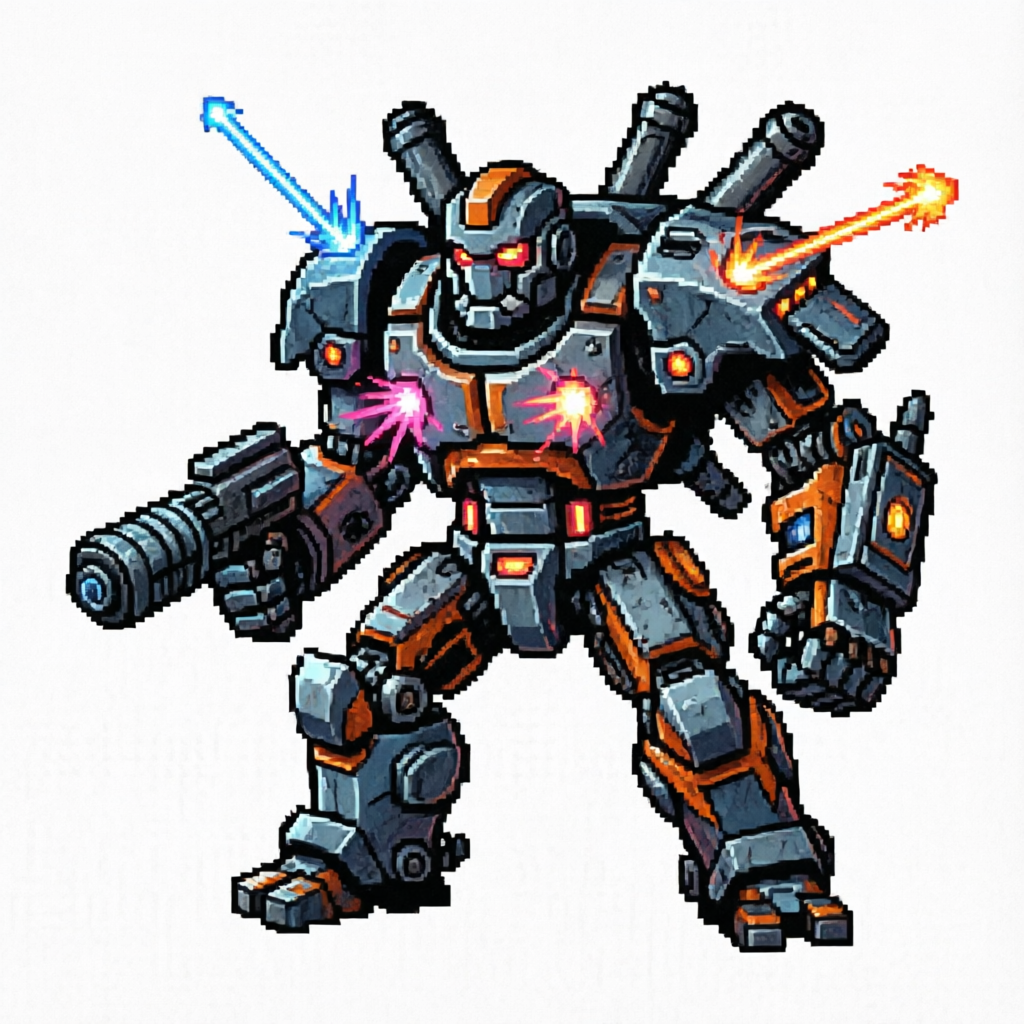
How to Build a Boss Custom Boss Fight: Mechanics, Balancing, and Creation Guide
Learn how to build a boss custom boss fight from scratch. Master attack patterns, phase transitions, visual telegraphs, and playtesting mechanics.
Every gamer remembers the adrenaline rush of overcoming a grueling, well-choreographed encounter. Learning how to build a boss custom boss fight allows creators, modders, and indie developers to step into the role of the architect behind that unforgettable tension. Whether you are assembling bullet-hell patterns, crafting multi-phase RPG showdowns, or scripting complex arena hazards, knowing how to build a boss custom boss fight with polished mechanics is what separates frustrating encounters from legendary battles.
Creating an engaging boss requires more than giving an enemy an inflated health bar and high attack power. It demands a delicate balance between rhythmic telegraphs, readable attack geometry, and fair vulnerability windows. In this deep dive, we explore core mechanics, phase planning, balancing metrics, and common design pitfalls so you can turn your creative concepts into thrilling combat encounters.
The Anatomy of an Unforgettable Custom Boss Fight
Every great encounter is an unspoken conversation between the designer and the player. When players enter the arena, the boss asks questions through attack patterns, and the player answers using movement, defensive options, and counterattacks.
According to foundational combat principles highlighted by industry publications like Game Developer, memorable boss design relies on clear cause-and-effect systems rather than cheap, unavoidable strikes.
When you sit down to design, prioritize three core pillars:
- Pacing and Rhythm: Combat should alternate between high-intensity dodging phases and brief respite windows where players can heal, reposition, or deal damage.
- Readable Silhouettes: Boss animations must broadcast impending moves. Wind-ups, audio cues, and visual flares give players a fighting chance to react.
- Narrative Integration: The boss's moveset, arena styling, and dialogue should communicate their personality, lore, and combat style.
| Encounter Element | Poor Implementation | Excellent Implementation |
|---|---|---|
| Attack Telegraphs | Instant damage frames with zero wind-up | Clear 0.5s–1.2s visual/audio tells before hitbox activation |
| Hitboxes | Oversized rectangular colliders hitting outside models | Tight, form-fitting hitboxes matching the weapon or projectile sprite |
| Arena Design | Featureless flat plane with invisible walls | Dynamic terrain featuring cover, hazard zones, or environmental interactions |
| Failure Feedback | Instant one-shots with unclear death causes | Graduated damage scaling showing clearly where the player made a mistake |
Phase Progression and Scripting Mechanics
A flat encounter that never changes across a long health bar quickly leads to player fatigue. When you build a boss custom boss fight, multi-phase structuring injects urgency and variety into the fight as the boss takes damage.
Community reports from retro combat sandbox platforms like BattleTale reveal that the highest-rated custom encounters typically feature distinct stage transitions at predictable health milestones. For instance, creator battles often begin with straightforward projectile streams before introducing inverted gravity, moving arena walls, or bullet-hell patterns as the boss weakens.
Phase 1: Foundation (100% - 70% HP) -> Teaches basic mechanics
Phase 2: Escalation (70% - 30% HP)  -> Combines mechanics, alters arena
Phase 3: Desperation (30% - 0% HP)   -> Faster tempos, signature ultimate attacks
Structuring Boss Health Gates and Triggers
Plan your boss's behavioral shifts around clear health thresholds to maintain momentum throughout the duel.
| Combat Phase | Boss Health Range | Movement Behavior | Attack Frequency | Strategic Focus for Player |
|---|---|---|---|---|
| Phase 1: Neutral | 100% – 70% HP | Slow patrol, stationary casts | Low (2.5s recovery cooldown) | Learn telegraph animations and timings |
| Phase 2: Aggression | 69% – 35% HP | Active chasing, short dashes | Medium (1.5s recovery cooldown) | Manage stamina/dodges while tracking arena hazards |
| Phase 3: Desperation | 34% – 0% HP | Rapid teleports, aerial leaps | High (0.8s recovery cooldown) | Exploit brief post-ultimate vulnerability windows |
Designing the transition between phases is equally crucial. Provide brief cinematic pauses, screen shakes, or invulnerability animations while the boss transitions. This prevents players from unintentionally bursting down the boss before its signature mechanics trigger.
Crafting Attack Patterns: Bullet Spawners, Melee Combos, and Area Hazards
The mechanics of an encounter dictate its genre identity. A top-down 2D project requires dense geometric patterns, while a 3D soulslike relies on parry timings and spatial spacing. When you build a boss custom boss fight, choosing the right mix of attack archetypes keeps the encounter dynamic.
1. Projectile Clusters and Bullet Hell
Projectiles challenge player positioning. Avoid random bullet scatter; instead, use geometric formations like expanding rings, sweeping lasers, or spiral streams. Player experience across indie bullet-hell platforms demonstrates that predictable patterns reward skill, while pure randomness frustrates players.
2. Melee Strings and Tracking Swings
For close-quarters combatants, build 2-hit or 3-hit combination attacks. The first strike should act as a quick jab to test defensive readiness, followed by a delayed heavy swing designed to catch early rolls or premature shields.
3. Area of Effect (AoE) and Denial Zones
Force players to move across the arena by coating sections in fire, void energy, or falling debris. These zones prevent players from camping in corners and encourage active arena navigation.
| Attack Type | Typical Damage | Wind-up Time | Recovery Window | Counterplay Technique |
|---|---|---|---|---|
| Radial Burst | Moderate (20% Max HP) | 0.8 seconds | 1.2 seconds | Jump or dash outward through gaps in the ring |
| Overhead Slam | High (45% Max HP) | 1.4 seconds | 2.0 seconds | Side-step early; counterattack during the recovery freeze |
| Tracking Laser | Continuous tick damage | 1.0s target lock | 1.5 seconds | Sprint perpendicularly around the boss circumference |
| Arena Shockwave | Low (10% Max HP + Stun) | 0.6 seconds | 0.8 seconds | Timed vertical jump over the ground wave |
Mathematical Balancing: Tuning Damage, Health, and Windows
Balancing is where most custom battles succeed or fail. It is tempting to make custom encounters brutally difficult, but artificial difficulty alienates players. When creators build a boss custom boss fight, they must test damage formulas against player defensive thresholds to ensure the encounter feels challenging yet fair.
Determining the Time-to-Kill (TTK)
Calculate the expected duration of the fight based on average player damage output per second (DPS). A standard custom encounter should typically last between 3 to 6 minutes for an average attempt.
Formel / Formula:
Boss Health = Average Player DPS * Desired Fight Duration (Seconds) * Uptime Ratio
Because players spend significant time dodging rather than dealing damage, factor in an uptime ratio (usually 0.35 to 0.50). If players can only hit the boss 40% of the time, the effective health pool must account for those defensive pauses.
| Balance Metric | Casual / Story Tier | Core / Balanced Tier | Hardcore / Challenge Tier |
|---|---|---|---|
| Average Fight Length | 2 – 3 minutes | 4 – 5 minutes | 6 – 8 minutes |
| Player Mistake Tolerance | 6–8 unmitigated hits | 4–5 unmitigated hits | 2–3 unmitigated hits |
| Boss Attack Cooldowns | 2.0s – 3.0s | 1.2s – 1.8s | 0.6s – 1.0s |
| Vulnerability Windows | 3.0 seconds | 1.5 – 2.0 seconds | 0.8 – 1.2 seconds |
Step-by-Step Implementation Workflow
Bringing a custom encounter from sketch to playable state requires an iterative development pipeline. Trying to program visuals, code AI, and balance stats simultaneously often leads to scope creep and disjointed mechanics.
Step 1: Prototype "Greybox" Arena & Hitboxes
               ↓
Step 2: Script Core AI State Machine (Idle, Chase, Attack, Recover)
               ↓
Step 3: Implement Phase Gates and Mechanics
               ↓
Step 4: Conduct Blind Playtesting & Collect Feedback
               ↓
Step 5: Polish Audio, VFX, Sprites, and Animations
- Greybox the Arena: Build the combat floor using simple geometric shapes before drawing detailed sprites or placing 3D models.
- Build the State Machine: Program the boss AI logic states:
- Patrol/Idle: Searching for player coordinates.
- Wind-Up: Locking direction, playing animation cues.
- Execution: Spawning active hitboxes or projectile emitters.
- Cooldown: Lingering in recovery, open to player hits.
- Layer the Visual Audio Feedback: Ensure every hit delivers satisfying feedback via screen shake, flash frames, or sound effects.
- Blind Playtest: Watch an unassisted player attempt the battle. Note where they take unexpected damage and adjust telegraph timings accordingly.
Common Pitfalls When Creating Custom Encounters
When developers learn how to build a boss custom boss fight, they frequently encounter classic design traps. Avoiding these missteps will immediately elevate your encounter's quality:
- The "Input Read" Trap: Do not program the boss to instantly punish player inputs (such as drinking a potion or rolling) with zero reaction delay. It breaks immersion and feels unfair.
- Camera Occlusion: In 3D arenas, huge bosses can obscure the camera, making it impossible to see incoming attacks. Keep the boss sized appropriately relative to the player's viewport.
- Indistinguishable Projectile Colors: If your arena floor has red lava, avoid using red projectiles. Always provide strong visual contrast between hazards and backgrounds.
- Neglecting Low-Spec Performance: Spawning 1,000 bullet entities simultaneously can cause severe frame drops. Use object pooling systems to recycle projectile memory efficiently.
Frequently Asked Questions (FAQ)
What is the most important element when you build a boss custom boss fight?
The single most critical element is clear telegraphing. Even the most complex, high-damage attack patterns feel rewarding if players can read the wind-up animations and understand how to avoid incoming damage through skillful timing and positioning.
How do I prevent players from cheese strategies during custom battles?
Incorporate anti-camping mechanics like sweeping radial lasers, homing attacks, or timed arena hazards. Ensure the boss has gap-closing maneuvers (such as leaps, teleports, or sprinting lunges) to engage players who attempt to stay at maximum range.
How much health should a custom boss have compared to standard enemies?
As a general rule, a custom boss should have 15 to 30 times the health of a standard enemy, balanced around a target fight duration of 3 to 6 minutes. Always balance effective health around realistic player damage windows rather than theoretical maximum DPS.
Related Guides
Build a Boss Custom Boss Guide: Advanced Mechanics, Stats, and Balancing
Master the mechanics of a build a boss custom boss setup. Learn formulas, scaling stats, ability scripting, and balance tips for epic multiplayer battles.
Build a Boss: Boss Design Fundamentals for Truly Unforgettable Encounters
Learn how to master build a boss boss design mechanics, structure multi-phase fights, telegraph attacks, and create balanced, memorable game encounters.
Build a Boss: Boss Ideas and Encounter Mechanics for Epic Battles
Level up your game design with our guide to build a boss. Explore creative boss ideas, multi-phase mechanics, telegraphed attacks, and encounter designs.
How to Build a Boss Boss Battle: The Complete Game Mechanics Guide
Learn how to build a boss boss battle with expert pacing, telegraphing, multi-phase structures, and combat mechanics that captivate players.