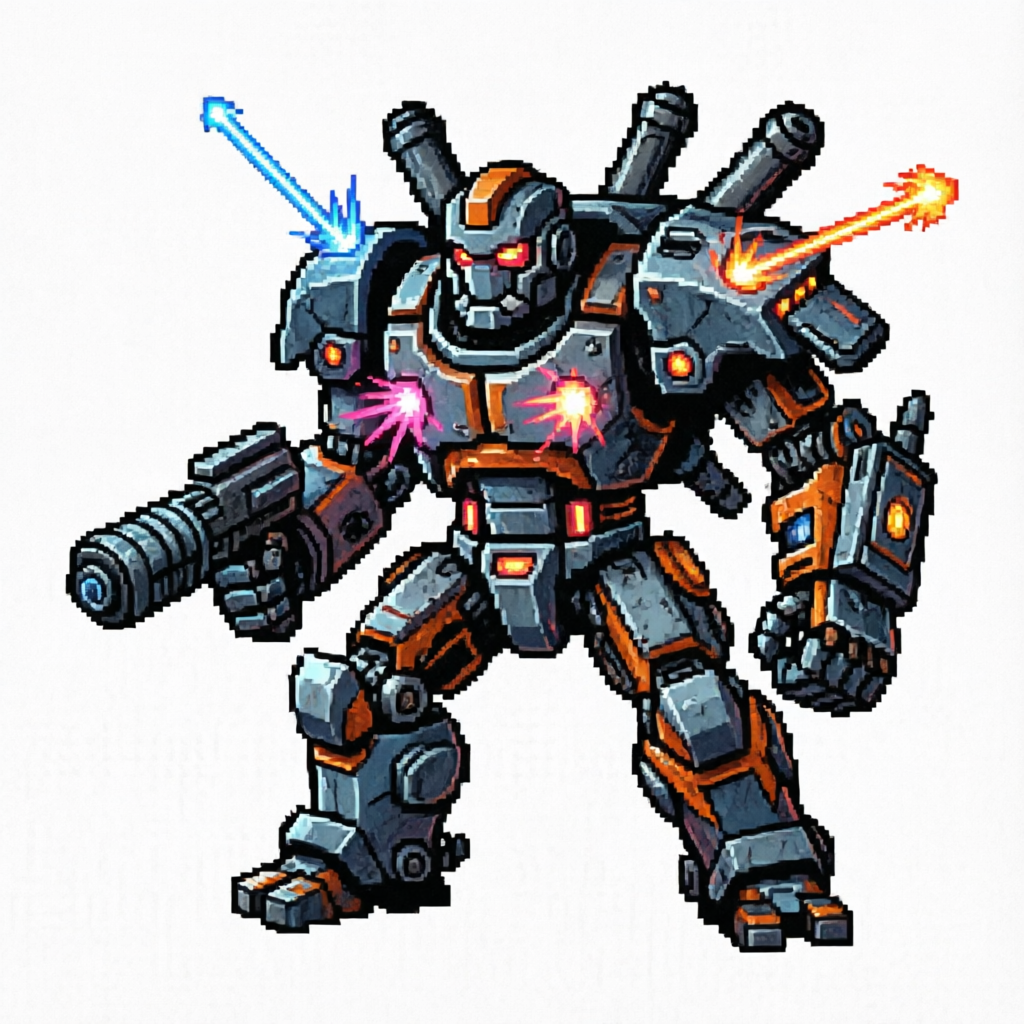
Build a Boss How to Make a Boss Fight Players Never Forget
Learn how to build a boss: how to make a boss encounter with unique phases, mechanics, and arena designs that challenge and engage players.
Every memorable video game or tabletop campaign hinges on its climactic showdowns. When you set out to build a boss how to make a boss encounter that truly resonates, you are designing more than a beefed-up enemy with high hit points. Learning to build a boss how to make a boss fight feel rewarding requires a balance of clear mechanics, readable tells, and escalation that pushes player skills to the limit.
Whether you are crafting an indie game in Godot, scripting encounters in Roblox, or homebrewing a tabletop monster, the underlying principles of encounter architecture remain the same. A great boss functions as an interactive exam testing everything the player has learned up to that moment.
Core Principles of Memorable Encounter Design
Before writing code or rolling dice, define the core purpose of the battle. A boss battle should never feel like busywork; it must serve a narrative and mechanical role in the game loop.
According to foundational principles outlined by veteran designers on Game Developer, memorable boss fights provide distinct rhythm: tension, execution, vulnerability, and release.
| Pillar | Design Goal | Common Failure Mode |
|---|---|---|
| Pacing | Balances high-intensity pressure with windows of opportunity. | Unrelenting attack spam with zero recovery windows. |
| Telegraphing | Gives clear audio-visual cues before massive strikes land. | Cheap, unreactable instant kills. |
| Fairness | Deaths feel like player error rather than design glitches. | Confusing hitboxes and hidden damage values. |
| Narrative Weight | Reflects the boss's personality, lore, and aesthetic. | Generic bullet sponges placed in empty rooms. |
When you master these four pillars, your encounter shifts from a simple stat check into a memorable centerpiece.
The 5-Step Process to Build a Boss: How to Make a Boss Work
Developing a battle from scratch works best when broken into logical steps. Follow this systematic workflow to construct engaging adversaries.
[1. Concept & Fantasy] -> [2. Core Attack Patterns] -> [3. Phase Transitions] -> [4. Arena Hazard Design] -> [5. Tuning & Playtesting]
Step 1: Establish the Encounter Fantasy
Determine what kind of challenge you want to test. Is this boss an agile duelist testing reaction times, a lumbering behemoth requiring spatial awareness, or a puzzle boss demanding environmental interaction?
Step 2: Build the Core Moveset
Limit the base moveset to three or four easily distinguishable attacks in Phase 1:
- A quick, low-damage tracking poke.
- A sweeping area-of-effect (AoE) strike to prevent camping.
- A heavily telegraphed signature attack that punishes careless positioning.
Step 3: Implement Phase Triggers
Phases maintain momentum. When health thresholds drop (such as 75%, 50%, or 25%), alter the boss's behavior. In visual scripting tools or engines like Construct and Unity, developers often manage this with a state machine or an instance variable tracking current_phase.
Step 4: Shape the Battlefield
An empty square arena produces dull combat. Add pillars that block line-of-sight, uneven terrain, pits, or temporary platforms. The environment should actively participate in the mechanics.
Step 5: Iterative Tuning
Never balance a boss purely on spreadsheet math. Watch first-time players tackle the fight without giving hints to identify unreadable tells and sudden difficulty spikes.
Designing Escalating Boss Phases
Multiple phases prevent encounters from becoming monotonous. When you build a boss how to make a boss with multiple stages, each phase must subvert or escalate mechanics introduced earlier.
| Phase | Typical Health Range | Mechanical Behavior | Player Focus |
|---|---|---|---|
| Phase 1: Tutorial | 100% – 70% HP | Teaches attack telegraphs, predictable combos, long recovery. | Learning patterns and timing parries/dodges. |
| Phase 2: Escalation | 70% – 30% HP | Adds arena hazards, shortens recovery windows, introduces mix-ups. | Resource management and positioning. |
| Phase 3: Desperation | 30% – 0% HP | High-speed attacks, overlapping AoE zones, soft enrage timers. | Burst damage under intense pressure. |
Community reports from platforms like Roblox DevForum and indie developer spaces emphasize organizing attacks into independent modular functions. When entering new phases, the encounter controller simply swaps the active pool of attack functions or decreases attack cooldown intervals.
Structuring the Boss Moveset and Telegraphs
A fair battle gives players information before inflicting damage. Telegraphs can be visual (wind-up animations, glowing ground markers), audio-based (distinct vocalizations or audio cues), or environmental (rumbling ceiling rubble).
| Attack Type | Purpose | Ideal Wind-Up Time | Counterplay Option |
|---|---|---|---|
| Basic Cleave | Punishes frontal aggression | 0.4 – 0.6 seconds | Roll through, dodge backward, or parry |
| Telegraphed Slam | High-damage zoning tool | 1.0 – 1.8 seconds | Exit the telegraph zone, jump over shockwave |
| Gap Closer | Counters ranged kiting | 0.5 – 0.8 seconds | Side-step or interrupt with crowd control |
| Arena Ultimate | Forces phase reset or repositioning | 2.5 – 4.0 seconds | Hide behind cover, trigger mechanics, or DPS race |
Avoid overlapping untelegraphed attacks. When players take damage, they should clearly recognize what struck them and why their reaction fell short.
Tuning Boss Math: Health, Damage, and Action Economy
Balancing combat numbers requires tuning damage output against expected player defensive tools. When creating encounters in video games or tabletop rule systems, track the encounter's effective action economy.
| Encounter Archetype | Effective HP Pool | Damage Per Hit (% Player Max HP) | Recommended Recovery Window |
|---|---|---|---|
| Agile Duelist | Moderate | 15% – 25% | 0.8 – 1.2 seconds |
| Colossal Juggernaut | Very High | 40% – 60% | 2.0 – 3.5 seconds |
| Spellcaster / Summoner | Low to Moderate | 10% – 20% (continuous chip) | Intermittent shield windows |
| Gimmick / Puzzle Boss | Invulnerable / Object-based | Variable (Hazard-driven) | Fixed mechanic windows |
In single-player games, ensure player healing actions have dedicated windows. If a boss never pauses, healing feels punishing rather than tactical. In turn-based or tabletop games, give solo bosses legendary actions or reaction pools so they do not get overwhelmed by player turn priority.
Common Boss Design Mistakes to Avoid
Even experienced creators run into pitfalls that turn thrilling climaxes into frustrating slogs. Review this checklist while refining your encounter.
- Inflated Health Sponges: Multiplying health pools by five does not make a fight harder; it makes it tedious. Increase complexity, not just longevity.
- Instant Attacks Without Tells: Unreactable attacks turn encounters into trial-and-error memorization tests rather than tests of skill.
- Excessive Invulnerability Phases: Forcing players to run in circles while waiting for a boss shield to expire kills narrative pacing. Give players active tasks during downtime, such as destroying power conduits or parrying incoming projectiles.
- Camera and Arena Clutter: Avoid putting tight ceilings or obstructive foreground objects that block the player's view of the enemy's wind-up animations.
- Ignoring Failure Recovery: Give players a clear path to recover from a mistake. One dropped input should rarely cascade into an inescapable defeat combo.
Frequently Asked Questions
What is the most important rule when you build a boss how to make a boss battle fair?
The most critical rule is clear telegraphing. Players must be able to read an attack coming, understand its potential danger zone, and possess the tools (dodges, blocks, cover, or jumps) necessary to avoid or mitigate it.
How many attacks should an indie game boss have?
Most effective early-game bosses only need three to four distinct attacks in their opening phase, followed by two upgraded or mutated variations introduced in subsequent phases. Quality and readability matter far more than sheer attack volume.
How do I prevent players from cheese-killing my custom boss?
Test edge cases thoroughly. Check if players can trap the boss behind geometry, exploit blind spots outside maximum attack range, or infinitely stagger the boss with repetitive combos. Implement soft tether ranges, ranged counter-attacks, or brief hyper-armor states during major wind-ups.
Should all bosses have multiple phases?
Not necessarily. Mini-bosses and early tutorial encounters thrive with single-phase designs focusing on a single core lesson. Save multi-phase transformations for chapter climaxes, major milestones, and finale encounters to preserve their dramatic impact.
Related Guides
Build a Boss Beginner Guide: Complete Step-by-Step Encounter Design
Master encounter design with this build a boss beginner guide. Learn attack telegraphs, arena mechanics, scripting, and stat balancing tips.
Build a Boss Boss Guide: How to Design Epic Encounters and Mechanics
Master encounter creation with our complete build a boss boss guide. Learn boss archetypes, phase mechanics, arena design, and balancing secrets.
Build a Boss How to Spawn a Boss: Complete Summoning Guide & Mechanics
Master the sacrifice altar and festival summons with this guide on build a boss how to spawn a boss, sacrifice costs, and loot reward tiers.
Build a Boss: How to Make a Boss Fight That Keeps Players Hooked
Learn how to build a boss and craft memorable boss encounters. Explore pacing, telegraphing, arenas, and phase-based combat design.