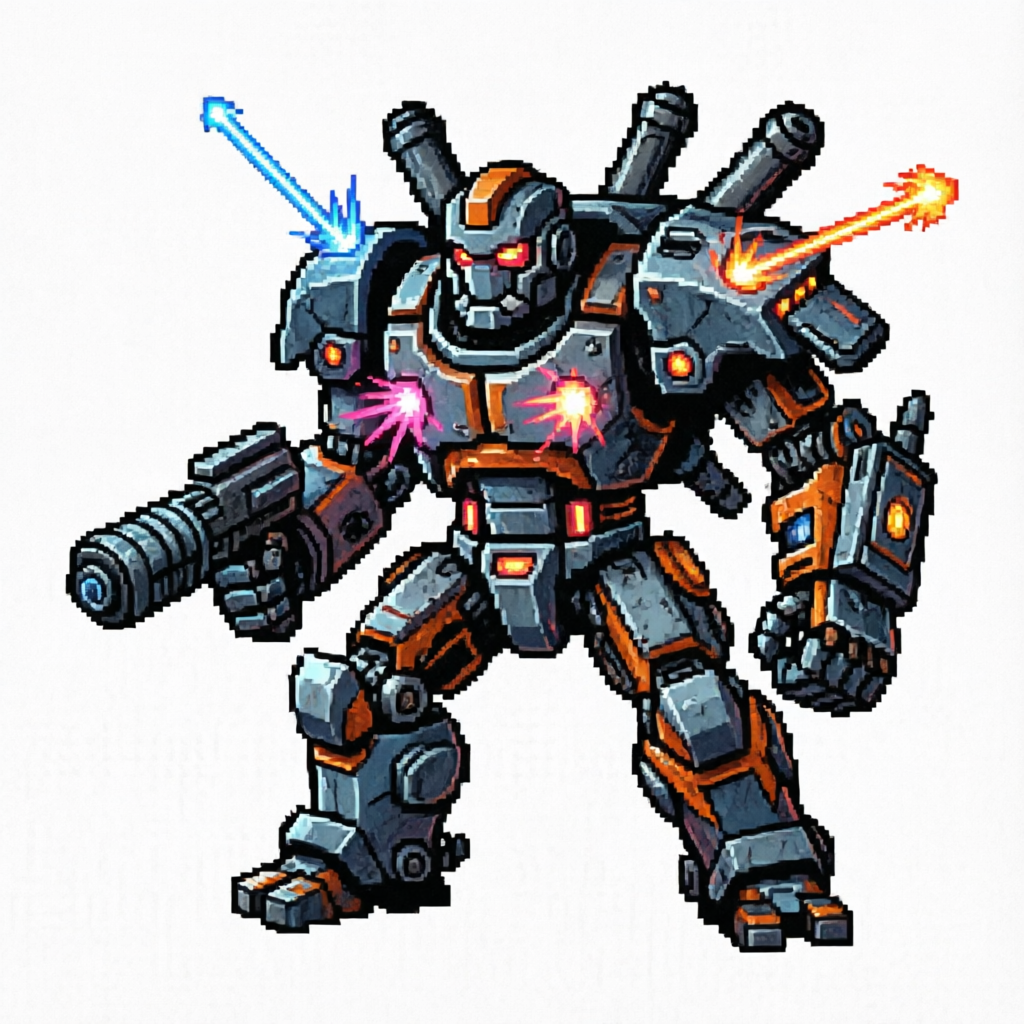
How to Build a Boss Boss Fight: The Ultimate Game Design Guide
Learn how to build a boss boss fight with expert pacing, multi-phase mechanics, telegraphing, arena hazards, and balanced combat loops.
Every memorable video game adventure hinges on climactic encounters, making it essential to master how you build a boss boss fight. When players reach the end of a dungeon, level, or story arc, they do not just want a standard enemy with an inflated health bar—they expect an unforgettable duel that tests everything they have learned. If you set out to build a boss boss fight that genuinely captivates your audience, you must blend thematic narrative, tactical choreography, and mechanical fairness into a cohesive encounter.
Designing these encounters is both an art and a science. Whether you are developing an indie action RPG, an adventure platformer, or a tabletop encounter, understanding core combat pacing will elevate your encounter from an annoying chore into a highlight of player experience.
Core Archetypes: Finding the Right Foundation
Before writing a single line of combat code or stat block, you must establish the boss's mechanical identity. Bosses typically fall into distinct archetypes that dictate how players approach spacing, resource expenditure, and timing.
| Boss Archetype | Primary Focus | Player Counter-Strategy | Best Suited Genres |
|---|---|---|---|
| The Duelist | Equal size, high agility, parries, combos | Precision dodging, counter-attacks, reading tells | Action RPGs, Soulslikes, Fighting games |
| The Colossus | Massive scale, area control, puzzle targets | Mobility, hitting specific weak points, climbing | Action-adventure, Platformers |
| The Puppet Master | Minion summons, zone denial, defensive shields | Crowd control, target prioritization, burst DPS | Turn-based RPGs, Strategy games, MMOs |
| The Juggernaut | Slow movement, heavy armor, devastating blows | Kiting, hit-and-run tactics, baiting recoveries | Top-down shooters, Survival horrors |
Matching your archetype to your core game loop prevents mechanical friction. For instance, putting a lightning-fast Duelist inside a system with sluggish player movement turns tactical combat into an exercise in frustration.
The Pacing Formula: Structuring Fight Phases
A static encounter loses tension rapidly. When you structure the encounter to build a boss boss fight, divide the battle into dynamic stages. A multi-phase structure creates a narrative arc: introduction, escalation, twist, and climax.
Phase 1 (100% - 70% HP): Neutral Dance (Establish cadence)
         │
         ▼
Phase 2 (70% - 30% HP): Escalation (Arena hazards, altered movesets)
         │
         ▼
Phase 3 (30% - 0% HP): Desperation / Climax (High speed, maximum stakes)
Phase 1: The Tutorial Dance (100% to 70% Health)
The initial stage introduces the boss's core moveset in isolation. Attacks should feature clear, forgiving windups. According to foundational combat breakdowns on Game Developer, a well-paced confrontation builds tension gradually, giving players time to decipher basic patterns before layering complex modifiers on top.
Phase 2: Complicating the Variable (70% to 30% Health)
Introduce a new layer to the combat space. This could be an environmental hazard, altered projectile arcs, or a sudden change in attack tempo. If the boss previously executed a two-hit combo, they might now chain a third ground-slam attack.
Phase 3: The Desperation Climax (30% to 0% Health)
The climax demands mastery. Increase attack cadence slightly while decreasing recovery frames, or introduce a visual transformation. However, keep the effective health pool lower in this phase so the encounter stays adrenaline-charged without turning into an exhausting grind.
| Phase Stage | Health Pool Target | Mechanical Objective | Risk of Poor Design |
|---|---|---|---|
| Phase 1 | 100% – 70% | Introduce patterns, test basic reaction | Player gets bored if windups are too long |
| Phase 2 | 70% – 30% | Combine hazards, alter recovery timing | Cognitive overload if too many mechanics spawn |
| Phase 3 | 30% – 0% | Maximum pressure, frantic execution | Cheap deaths caused by unreadable instant attacks |
Telegraphing and Fairness: Avoiding the Cheap Death Trap
The boundary between rewarding difficulty and unfair gameplay comes down to readability. When creators build a boss boss fight, they sometimes mistake lack of information for genuine challenge. A player should never suffer damage from an attack they could not reasonably predict or avoid.
Every attack pattern requires three distinct mechanical beats:
- The Anticipation (Telegraph): Audio and visual cues indicating what attack is coming and where it will land.
- The Execution (Active Frame): The strike itself, which should match the visual hitbox precisely.
- The Recovery (Punish Window): The moment of vulnerability where the player deals counter-damage.
| Telegraph Indicator | Visual / Audio Cue | Player Response Time | Design Purpose |
|---|---|---|---|
| Flash / Sparkle | Weapon glints white/red 500ms before release | Medium (350–500ms) | Signals parry window or dodge timing |
| Ground Decals | Red circle or rune expanding on floor | High (600–1200ms) | Signals upcoming area-of-effect (AoE) attack |
| Audio Stinger | Roar, blade scrape, or vocal grunt | Immediate reflex | Alerts players off-screen or during chaos |
| Physical Stance | Boss recoils or crouches backward | Strategic (800ms+) | Signals heavy rush, charge, or sweep attack |
Community reports across RPG Maker and indie development forums consistently emphasize that players prefer losing because of their own mistimed inputs rather than an unpredictable, sudden wipe mechanic.
Arena Architecture and Spatial Engagement
An epic showdown requires an environment tailored to the boss's unique mechanics. An arena is not just a room with an invisible wall—it is an active participant in combat encounters.
| Arena Element | Functional Purpose | Best Used For | Cautionary Notes |
|---|---|---|---|
| Destructible Pillars | Temporary cover against heavy artillery | Ranged projectile bosses | Prevent bosses getting stuck in collision geometry |
| Dynamic Hazards | Rising lava, falling debris, moving gaps | Escalation phases | Do not let hazards deal unavoidable instant kills |
| Elevation Ledges | High ground for ranged options or vertical evades | Giant bosses / Colossi | Ensure camera systems handle vertical tracking smoothly |
| Shrinking Boundaries | Soft enrage timer forcing aggressive positioning | Final desperate phases | Must provide clear visual perimeters before collapsing |
When laying out your encounter space, ensure the camera provides adequate visibility. Nothing ruins a battle faster than getting cornered against a wall while the camera clips into the boss model.
Balancing Math: Health Pools, DPS, and Time-to-Kill
Proper statistical balance ensures the confrontation feels epic without overstaying its welcome. When you plan and build a boss boss fight, calculating the intended fight length avoids the dreaded "damage sponge" syndrome.
| Target Difficulty | Ideal Battle Duration | Boss Effective HP | Acceptable Player Mistakes Allowed |
|---|---|---|---|
| Casual / Story | 2 to 3 minutes | 30x Player Base DPS | 6 to 8 unmitigated hits |
| Standard Adventure | 4 to 6 minutes | 60x Player Base DPS | 3 to 5 unmitigated hits |
| Hardcore / Soulslike | 5 to 8 minutes | 90x Player Base DPS | 1 to 2 unmitigated hits |
| Raid / MMO Boss | 8 to 12 minutes | Scaled to party DPS | Strict healer/mitigation checks |
To calculate base values, benchmark the average damage an equipped player deals per second (DPS) when executing optimal rotations versus defensive maneuvers. If your average player outputs 150 DPS, a four-minute encounter requires an effective health pool of roughly 36,000 HP, adjusted downward for any immunity phases or platforming interludes.
Step-by-Step Production Checklist
Use this structured workflow to streamline your development process from concept to final balancing pass:
- Establish the Narrative Stakes: Define why this entity fights the player and how the environment reflects their identity.
- Draft the Primary Moveset: Create 3 basic attacks, 1 ranged attack, and 1 mobility skill.
- Build the Arena Whitebox: Prototype simple geometry without textures to test player maneuverability.
- Implement Telegraph Signals: Add silhouette animations, color cues, and distinctive audio effects to all actions.
- Program Phase Triggers: Hook health percentage thresholds into moveset variations and stage transformations.
- Execute Playtesting Loops: Observe neutral players running the encounter without developer guidance, noting where avoidable damage fails to communicate clearly.
Applying these principles will help you build a boss boss fight that challenges player reflexes, reinforces core mechanics, and delivers an unforgettable narrative climax.
Frequently Asked Questions (FAQ)
How many attacks should a typical boss have?
For most action games and platformers, 4 to 6 distinct attacks across early phases, expanding to 7 or 9 in later phases, is ideal. Too few attacks make the boss predictable, while too many dilute readability and prevent players from learning the cadence.
What is the biggest mistake when developers build a boss boss fight?
The most frequent mistake is creating a damage sponge with inflated health pools and untelegraphed attacks. When you build a boss boss fight, difficulty should stem from pattern recognition, spatial awareness, and execution timing—not endless health bars that drag out the encounter.
How do I prevent players from exploiting or cheesing the boss?
Counter cheesing with smart system design rather than arbitrary immunities. If players camp at extreme range, grant the boss a gap-closer, a defensive shield, or projectile counters. If players rely on stun-locking, implement diminishing returns or poise meters that break free after repeated hits.
Should every boss encounter feature multiple phases?
While not mandatory for minor mini-bosses, major milestone bosses benefit enormously from multiple phases. Phasing breaks up pacing, resets player complacency, and showcases the antagonist's escalating desperation.
Related Guides
Build a Boss Beginner Guide: Complete Step-by-Step Encounter Design
Master encounter design with this build a boss beginner guide. Learn attack telegraphs, arena mechanics, scripting, and stat balancing tips.
Build a Boss Boss Guide: How to Design Epic Encounters and Mechanics
Master encounter creation with our complete build a boss boss guide. Learn boss archetypes, phase mechanics, arena design, and balancing secrets.
Build a Boss How to Make a Boss Fight Players Never Forget
Learn how to build a boss: how to make a boss encounter with unique phases, mechanics, and arena designs that challenge and engage players.
Build a Boss How to Spawn a Boss: Complete Summoning Guide & Mechanics
Master the sacrifice altar and festival summons with this guide on build a boss how to spawn a boss, sacrifice costs, and loot reward tiers.