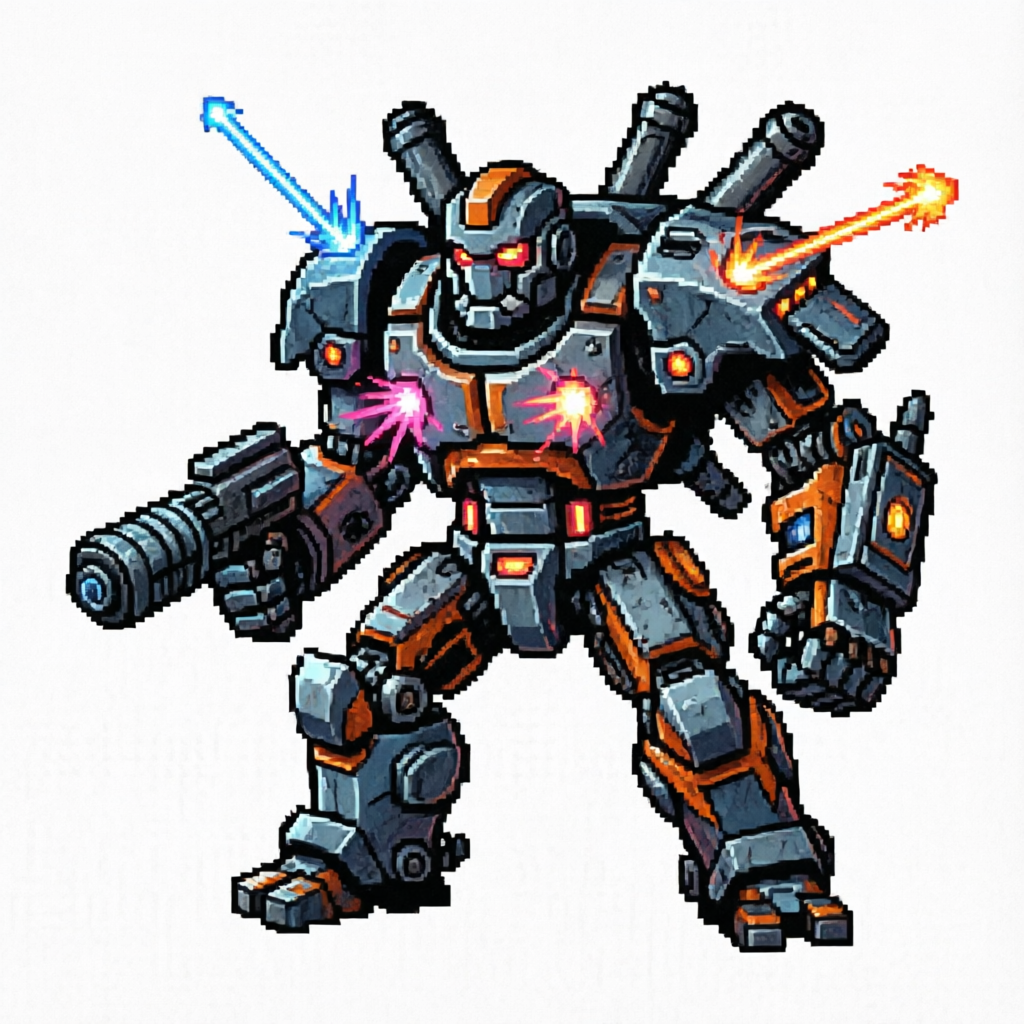
Build a Boss Boss Roster Guide: Mechanics, History, and Legacy
Explore the complete Build a Boss boss guide, detailing monster mechanics, character archetypes, server history, and tactical multiplayer strategies.
Mastering the battlefield in Tr3 Game Studios' indie brawler required players to intimately understand every playable monster, especially when choosing which build a boss boss to field against coordinated hero squads. In asymmetric party brawlers, learning how to pilot or defeat a build a boss boss determined whether your team secured victory or suffered a swift wipeout. This deep retrospective breaks down the iconic bosses, foundational hero matchups, and essential design concepts that shaped this competitive 2D hack-and-slash experience.
Understanding the Build a Boss Character System
At its core, the game offered a dynamic blend of 2D hack-and-slash mechanics and battlefield generalship. Instead of traditional static encounters, one player stepped into the shoes of a monolithic threat while opposing heroes worked together to topple the beast. Tactical spacing, cooldown management, and map control formed the backbone of high-level skirmishes.
The asymmetric format placed massive responsibility on the individual commanding the primary entity. Success relied on maximizing area-of-effect abilities, controlling lane chokepoints, and punishing overextended heroes who failed to coordinate defensive rotations.
| Gameplay Feature | Hero Team Dynamics | Boss Combat Profile |
|---|---|---|
| Team Size | 2–4 Coordinated Players | 1 Solo Commander |
| Primary Win Condition | Deplete Boss Health Bar | Eliminate All Rival Heroes |
| Mobility Style | Quick dashes, evasive rolls | Heavy stomps, area-wide teleports |
| Resource Focus | Cooldown chaining, synergy | Rage buildup, devastating burst spells |
| Crowd Control Role | Stuns, interrupts, slows | Knockbacks, ground tremors, silence |
Understanding this dynamic was crucial because a solo powerhouse could easily crumble under relentless crowd control if their defensive tools were mistimed. Conversely, uncoordinated teams walking blindly into heavy swings often found themselves eliminated in seconds.
Iconic Boss Profiles: The Lich, Elemental, and Beyond
Early development updates introduced distinct archetypes designed to challenge squads in completely different ways. Chief among these titans were the Lich and the Elemental, both of which became staples in competitive community lobbies.
                    ┌─────────────────────────┐
                    │ Build a Boss Matchup    │
                    └────────────┬────────────┘
                                 │
                 ┌───────────────┴───────────────┐
                 ▼                               ▼
       ┌───────────────────┐           ┌───────────────────┐
       │     The Lich      │           │   The Elemental   │
       │  (Sustain/Undead) │           │ (Burst/Disruption)│
       └─────────┬─────────┘           └─────────┬─────────┘
                 │                               │
                 ▼                               ▼
       • Channeled Life Drain          • Prismatic Slams
       • Undead Minion Spawns          • High Burst Shockwaves
       • Zone Denial Glyphs            • Environmental Hazards
The Lich: Strategic Attrition and Minion Pressure
The Lich represented the pinnacle of tactical zone control. Rather than relying on brute physical power, the Lich thrived on attrition, using dark sorcery to deny space and slowly drain hero vitality. Players piloting the Lich favored patience, baiting hero dashes before dropping lingering necrotic fields.
- Deathly Siphon: Channeled beam attack that restored health based on damage dealt.
- Crypt Call: Summoned lesser skeletons to intercept projectile skill shots from heroes.
- Grave Trap: Placed floor runes that rooted incoming melee attackers.
The Elemental: Raw Burst and Battlefield Disruption
In contrast to the calculated pressure of the Lich, the Elemental favored explosive close-quarters devastation. Piloting this build a boss boss demanded aggressive forward momentum. With monumental ground-pound abilities and elemental shifts, it could crack defensive shields and scatter tightly grouped parties.
| Boss Archetype | Primary Role | Difficulty Rating | Key Countermeasure |
|---|---|---|---|
| The Lich | Area Denial & Attrition | Hard | High-mobility burst; stun during channeling |
| The Elemental | Burst Damage & Disruption | Medium | Ranged kiting; dodge ground tremors |
| Brute / Juggernaut | Tank & Lane Control | Easy | Armor shred; split-pushing skirmishers |
Countering the Threats: Hero Classes and Matchups
To overcome a powerful build a boss boss, players had to pick complementary hero kits. Team compositions usually required a frontline brawler, sustained ranged pressure, and utility support to disrupt devastating enemy casts.
Frontline Warriors vs. Backline Specialists
The Ranger served as one of the most recognizable backline heroes, receiving visual updates during active support cycles to enhance clarity. When facing massive bosses, a skilled Ranger could apply consistent physical damage from outside lethal swing ranges.
+------------------+------------------------------------------------+
| Hero Class       | Tactical Responsibility vs. Bosses             |
+------------------+------------------------------------------------+
| Vanguard         | Absorb frontline impact, hold boss orientation  |
| Ranger           | Consistent ranged DPS, chip damage on summons  |
| Battle Mage      | Zone disruption, magical interrupts, shield breaks|
| Rogue / Assassin | Flank burst attacks during boss cooldown delays  |
+------------------+------------------------------------------------+
Player experience showed that teams lacking a designated ranged damage dealer struggled heavily against flying or hovering phases. Conversely, compositions packing too many fragile DPS characters were vulnerable to sudden sweep attacks that wiped half the squad at once.
| Encounter Phase | Hero Objective | Danger Level | Recommended Formation |
|---|---|---|---|
| Opening Skirmish | Bait initial boss abilities | Low | Spread out across edges |
| Enrage Transition | Evade sweeping attacks | Extreme | Disengage, wait out buff timers |
| Minion Waves | Rapidly clear summoned adds | Medium | Group up behind Vanguard shield |
| Execute Window | Coordinate burst ultimates | High | All-in attack, save defensive rolls |
Post-Launch Development and Platform Trajectory
Launched in July 2021 by Tr3 Game Studios, the title pursued an ambitious roadmap designed to expand its competitive ecosystem. Early patch cycles delivered vital quality-of-life adjustments, including death animation polish for flagship bosses, localization updates for Chinese and Portuguese players, and platform ports targeting Android devices.
Despite sustained development effort, maintaining dedicated multiplayer servers became a steep financial challenge. Tr3 Game Studios announced in early 2024 that dedicated operations would close, leading to the game's delisting from digital storefronts on May 19, 2024. For historical patch logs and archived community discussions, check the official Steam Community Build a Boss Hub.
2021 (July)  ──> Game Launches on PC (Early Adopter Phase)
2021 (Aug)   ──> Major Patch: Localization, Android Support, Art Updates
2022-2023    ──> Community Tournaments & Mobile Development Focus
2024 (Apr)   ──> Server Shutdown & Steam Delisting Announcement
2024 (May)   ──> Dedicated Servers Officially Powered Down
The sunsetting of dedicated servers highlights the harsh realities indie multiplayer titles face. As community reports frequently pointed out, maintaining synchronous 2D netcode across global regions requires steady sales volume that niche party brawlers often struggle to maintain over multi-year cycles.
Core Combat Tactics for Boss Combatants
Whether playing asymmetric brawlers or modern action RPGs with custom boss mechanics, dominating as the lone monster requires adopting the right mindset. When you pilot an imposing build a boss boss, you cannot play like a regular hero with an expanded health bar; you must dictate the entire arena.
                      Core Boss Mindset
                             │
       ┌─────────────────────┼─────────────────────┐
       ▼                     ▼                     ▼
[Bait the Cooldowns]   [Isolate Stragglers]   [Control Corners]
 Wait for hero rolls     Punish backline        Force opponents
 before heavy attacks    supports first         against map edges
Positioning and Wall Splats
Always herd heroes toward physical terrain obstacles. Most asymmetric brawlers provide damage bonuses or prolonged stun states when a hero collides with a perimeter wall. Driving targets into corners drastically reduces their evasive options, turning high-mobility Rangers into easy targets.
Managing Crowd Control Diminishing Returns
Heroes will attempt to chain stuns, roots, and silences. The key to surviving coordinated disables lies in anticipating the secondary crowd control hit. If struck by an initial stun, buffer defensive breakaways or invulnerability frames immediately rather than attempting an offensive trade.
| Combat Situation | Ineffective Boss Response | Optimal Strategic Move |
|---|---|---|
| Hero Uses Evasive Dash | Immediately swing at empty air | Reposition, predict destination, slam ground |
| Squad Groups Together | Use single-target basic attack | Unleash primary AoE or sweeping knockback |
| Low-Health Hero Runs Away | Chase across full map recklessly | Switch targets to expose unsupported healer |
| Ranged Hero Snipes from Distance | Stand still and trade chip damage | Break line of sight; summon intercept minions |
Mastering the balance between aggression and defensive resource hoarding was the hallmark of an exceptional boss player.
Legacy and Influence on Asymmetric Brawlers
While the active server lifecycle of the title has concluded, the design choices implemented by Tr3 Game Studios remain a compelling case study in 2D party brawler mechanics. Blending competitive moba-like hero kits with oversized, player-controlled raid monsters offered a refreshing change of pace from traditional symmetrically balanced fighting games.
Today, indie developers frequently draw inspiration from these asymmetric models. The emphasis on telegraphing heavy blows, balancing minion summons against skill-shot heroes, and giving bosses tactile weight influenced numerous community mods and emergent combat systems. Learning the patterns of each unique boss encounter remains a timeless lesson in game balance and spatial awareness.
Frequently Asked Questions
What was the primary objective of a build a boss boss encounter?
In asymmetric multiplayer matches, the boss was controlled by a solo player whose objective was to eliminate all rival heroes using area denial, heavy knockbacks, and summon abilities before the hero team could coordinate to deplete their massive health pool.
Can you still play Build a Boss online today?
No. The developer officially sunset the dedicated multiplayer servers on May 19, 2024, alongside delisting the title from digital PC storefronts due to operating costs.
What made the Lich boss different from the Elemental boss?
The Lich focused primarily on attrition, zone denial, life-draining channel spells, and minion spawns. In contrast, the Elemental was an aggressive frontline disruptor built around high physical burst damage, ground tremors, and environmental scatter attacks.
Which hero class was best suited to fight a build a boss boss?
Balanced squad compositions performed best. However, ranged archetypes like the Ranger were critical for maintaining sustained chip damage and safely taking out summoned minions while melee frontliners absorbed the boss's sweeping strikes.
Related Guides
Build a Boss Custom Bosses Guide: Design, Stats, and Mechanics
Master the art of creating Build a Boss custom bosses. Explore stat formulas, phase design, unique abilities, and balance tips for epic battles.
How to Build a Boss Final Boss: Epic Design Guide for Game Devs & DMs
Learn how to build a boss final boss that challenges players and delivers an unforgettable climax. Complete mechanics, narrative tips, and phase design.
How to Build a Boss Giant Boss: Epic Mechanics and Encounter Design Guide
Learn how to build a boss giant boss encounter with multi-part anatomy, dynamic climbing phases, and cinematic combat rules for tabletop and game design.