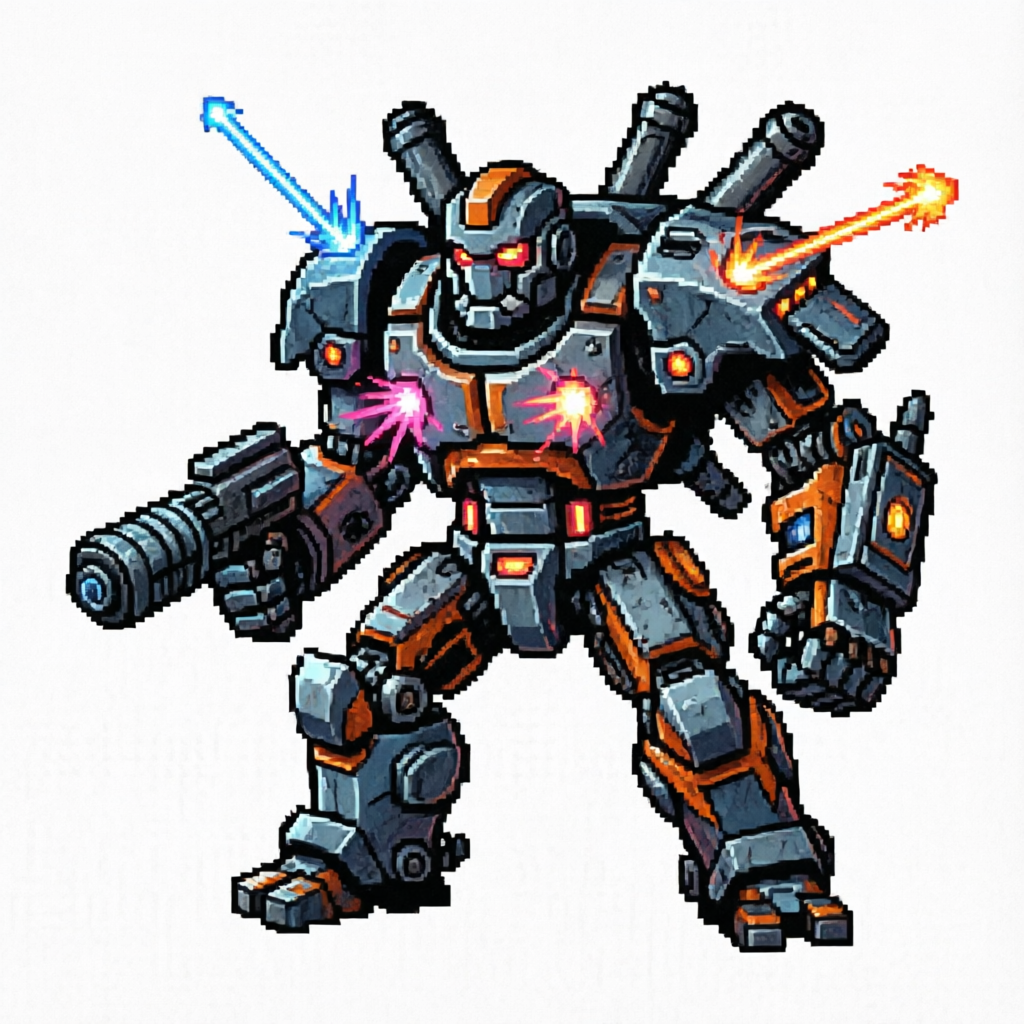
Build a Boss Difficult Boss: How to Design and Beat Impossible Encounters
Learn how to build a boss difficult boss encounter that challenges players fairly, balances combat phases, and avoids frustrating design pitfalls.
Every game developer and tabletop game master dreams of creating that one unforgettable, pulse-pounding confrontation that pushes players to their absolute limits. When you set out to build a boss difficult boss encounter, you are designing more than just an inflated pool of hit points; you are engineering a high-stakes psychological puzzle. Finding the exact balance between exhilarating mechanical depth and punishing difficulty requires intent, restraint, and an understanding of friction. If you misjudge the balance when you attempt to build a boss difficult boss, your climactic set piece quickly turns from a legendary triumph into an unfair, tedious slog.
Understanding how to construct demanding encounters mirrors the art of crisis leadership. Whether you are tuning attack patterns or managing real-world pressure, dissecting the friction points makes all the difference. This guide explores the mechanical framework, telegraphed hazards, and progression pacing necessary to create a truly challenging, satisfying boss fight.
The Anatomy of an Unforgiving Encounter
A truly formidable adversary forces players to abandon simple button-mashing or standard damage rotations. To make an encounter feel genuinely demanding rather than artificially cheap, designers rely on distinct structural pillars. These include dynamic action economy, clear telegraphing, defensive layers, and shifting arenas.
When players face an overtuned foe, their immediate reaction is often frustration and helplessness. However, just as professional strategists note that seemingly impossible obstacles can be deconstructed by studying patterns, gamers overcome tough encounters by reading tells. A well-designed adversary never cheats; instead, it tests player preparation, reflexes, and tactical flexibility.
| Design Pillar | Poor Implementation (Cheap) | Proper Implementation (Skill-Based) |
|---|---|---|
| Action Economy | Constant, uninterruptible multi-attacks | Telegraphed combos with clear recovery windows |
| Damage Output | Random one-shot kills without warning | High-threat burst damage tied to recognizable wind-ups |
| Defensive Buffs | Complete invulnerability phases lasting minutes | Breakable shields, elemental barriers, or stagger meters |
| Arena Hazards | Unavoidable environmental instant-death traps | Dynamic ground decay with safe zones earned by movement |
The Psychological Shift in High-Difficulty Encounters
When confronted with overwhelming challenges, players experience a cycle similar to the Kübler-Ross change curve. First comes shock and denial ("This hit box is broken"), followed by frustration ("This fight is impossible"), and finally adaptation and experimentation.
To turn that frustration into engagement, your design must provide feedback. If an attack deals 80% of a character's maximum health, the audio-visual warning must be unmistakable. By giving the player agency to dodge, parry, or counter, the encounter transforms from an unfair obstacle into an empowering trial.
Step-by-Step: How to Build a Boss Difficult Boss
Creating an imposing encounter requires a structured pipeline. If you try to assemble the mechanics all at once, you risk creating overlapping abilities that leave players zero counterplay. Follow this phased progression to properly build a boss difficult boss from the ground up:
| Step Number | Design Stage | Key Objective | Deliverable / Verification |
|---|---|---|---|
| Step 1 | Core Identity & Theme | Define the boss's primary archetype (brawler, caster, agile duelist). | Determine main damage profile, theme, and arena style. |
| Step 2 | Baseline Stat Scaling | Set effective health pools (EHP) and damage thresholds. | Benchmark fight duration against average player damage per second (DPS). |
| Step 3 | Telegraphs & Animation | Map wind-up timings, audio cues, and visual tells for heavy hits. | Ensure players have a 0.5s to 1.5s reactive window per attack. |
| Step 4 | Pacing & Phase Gates | Introduce phase shifts based on health percentages or timers. | Validate that each phase introduces new mechanics without invalidating old ones. |
| Step 5 | Failure State Tuning | Adjust punishment severity for missed mechanics. | Ensure failure creates pressure without causing unpreventable team wipes. |
Using this five-stage workflow keeps your encounter focused. Designers who want to see world-class boss choreography and punishing combat pacing in action should study titles featured on the Steam Store, where genres like Soulslikes and tactical RPGs continuously innovate boss design mechanics.
Designing Dynamic Combat Phases and Escalation
One of the most frequent mistakes creators make is designing a static boss that repeats the exact same loop from 100% health down to zero. A legendary encounter needs escalating tension. As the boss takes damage, its desperation, fury, or tactical cunning must evolve.
When structuring phases, consider how the boss responds to player aggression. A boss that reacts dynamically to being cornered forces players to constantly adapt their positioning, resource management, and cooldown timing.
| Phase | Health Range | Boss Behavior & Focus | Player Tactical Response |
|---|---|---|---|
| Phase 1: Probing | 100% – 75% | Standard combo chains, predictable timing, wide recovery windows. | Learn attack patterns, identify safe zones, establish baseline damage. |
| Phase 2: Escalation | 75% – 40% | Faster gap-closers, arena denial (fire/poison), altered combo finishers. | Prioritize mobility, maintain stamina/mana, respect defensive windows. |
| Phase 3: Enrage | 40% – 0% | Relentless aggression, reduced downtime, high-damage ultimate abilities. | Execute burst windows, coordinate defensive cooldowns, finish quickly. |
During the transition between phases, provide a breathing room buffer. A brief cinematic roar, an arena shift, or a temporary summon phase allows players to reset their mental focus. This deliberate pacing structure keeps stress levels engaging rather than exhausting.
Countering Cheap Mechanics vs. Fair Friction
There is an enormous difference between an encounter that is tough-but-fair and one that is needlessly frustrating. If players feel their loss was caused by poor game mechanics, bad camera angles, or invisible hitboxes, they will abandon the challenge.
When you build a boss difficult boss, you must carefully calibrate punishment mechanisms. Let us evaluate common high-level mechanics and examine how to convert irritating gimmicks into rewarding skill checks:
| Mechanic Type | Why It Feels Frustrating | The Fair, Challenging Alternative |
|---|---|---|
| Hard Crowd Control | Stuns player for 6 seconds without input options. | Applies an escalating slow that can be cleansed or dodged. |
| Healing / Leech | Boss regenerates 30% health automatically on a timer. | Boss channels a life drain that can be interrupted via stagger or damage checks. |
| Invulnerability | Boss becomes immune to all damage while attacking. | Boss raises a directional shield that requires flanking or specific element counters. |
| Add Summons | Infinite minions swarm the arena, cluttering target locks. | Strategic adds spawn with low HP pools that yield health or ammo when killed. |
Fair design respects the player's time and effort. When a player makes an error, the cause of the failure should be immediately obvious. This transparency encourages them to rethink their approach, alter their build, and jump back into the fray with renewed focus.
Player Archetypes and Boss Matchups
A challenging boss should rarely be vulnerable to a single dominant strategy. If one weapon, spell, or rotation trivializes the fight, the illusion of difficulty falls apart. Conversely, if a boss completely invalidates an entire playstyle—such as being 100% immune to melee attacks—players running that build will feel cheated.
To ensure your encounter remains engaging across different builds, cross-reference your boss's abilities against the four classic combat archetypes:
| Player Archetype | Boss Strength Against Them | Boss Weakness / Player Opportunity | Balancing Fix |
|---|---|---|---|
| Heavy Tank / Melee | Close-range cleaves, ground stomps, grab attacks. | Reliable stagger buildup, close-range blind spots behind the boss. | Add clear telegraphs on 360-degree point-blank area-of-effect (AoE) attacks. |
| Agile Rogue / Duelist | Rapid tracking, sweeping strikes, lingering hitboxes. | Extended recovery animations after heavy thrusts or missed smashes. | Avoid instant turn-around attacks that bypass dodge windows. |
| Ranged DPS / Archer | Rapid gap-closers, leaping charges, projectile deflectors. | Extended vulnerability while the boss recovers from cross-room dashes. | Provide partial cover or parry mechanics against projectile shields. |
| Caster / Support | Interrupting roars, silence debuffs, arena-wide pulsing damage. | Elemental vulnerabilities, stationary channel periods for boss ultimates. | Create distinct safe pockets within area-wide attacks to allow spellcasting. |
Balancing these archetypes ensures that defeating the boss feels like an earned victory regardless of the player's chosen path. When you successfully build a boss difficult boss, the victory comes down to execution, adaptation, and mastery rather than exploiting an oversight in the code.
Tuning Hitboxes, Recovery Windows, and Audio Cues
Micro-tuning separates legendary boss battles from mediocre ones. When an adversary swings a massive two-handed greatsword, the player's brain processes visual silhouette, animation acceleration, and sound design simultaneously. If the weapon deals damage two frames before the model makes impact, the fight feels untrustworthy.
- Anticipation Frames: Ensure heavy, devastating attacks have distinct preparation animations. The longer the wind-up, the more lethal the damage can reasonably be.
- Active Hitbox Precision: Match collision shapes closely to weapon meshes. Lingering hitboxes that deal damage after an attack has visibly struck the ground feel sloppy and unfair.
- Recovery Windows: After a major attack chain, grant the boss 1.5 to 3 seconds of downtime. This gives players a dedicated opening to heal, buff, or deliver counter-attacks.
- Soundscapes: Use layered audio cues. High-priority attacks should feature distinct sonic signatures—such as a metallic chime, an intake of breath, or an electrical hum—that cut through the ambient battle music.
Testing these elements with varied playtesters is crucial. What feels readable to the person who programmed the encounter might be completely invisible to someone experiencing the fight for the first time.
Frequently Asked Questions
What is the most important rule when you build a boss difficult boss?
The single most important rule is fairness through transparency. Every high-damage attack must feature a recognizable tell, clear hitboxes, and an intuitive counterplay option. If players understand why they died and see a path to improvement, they will stay engaged.
How much health should a difficult endgame boss have?
A difficult boss's health pool should be balanced around encounter pacing rather than pure endurance. Ideally, an intense encounter should last between 4 and 8 minutes. Any longer, and player fatigue sets in, causing mistakes that stem from boredom rather than mechanical difficulty.
How do I stop players from cheesing a challenging boss?
Instead of adding arbitrary immunities, introduce mechanics that dynamically punish predictable behavior. For example, if players try to maintain excessive range, give the boss a leaping gap-closer or a temporary projectile shield that forces repositioning.
Can an encounter be considered a difficult boss without one-shot mechanics?
Yes. In fact, many of the best encounters avoid instant-kill mechanics entirely. Instead, they rely on sustained pressure, stamina attrition, arena control, and compounding mistakes to push players into fatal situations over time.
Related Guides
Build a Boss Challenge: Complete Blueprint to Scale Your Digital Brand
Master the Build a Boss Challenge framework. Discover how to turn personal branding, packaging expertise, and sales funnels into scalable digital income.
Build a Boss Custom Boss Challenge: Ultimate BTD6 Practice Guide
Learn how to configure your build a boss custom boss challenge in Bloons TD 6, practice difficult maps, farm cash, and master Elite bosses.
How to Build a Boss Boss Battle Challenge: Design Epic Clashes
Learn how to build a boss boss battle challenge with phase design, arena hazards, and balanced combat mechanics for games and tabletop campaigns.
How to Build a Boss Hard Boss: Complete Encounter Design Guide
Learn how to build a boss hard boss that challenges players without feeling unfair. Discover phase mechanics, telegraphing, action economy, and stats.